On this page
Quick answer
Florida law defines a felony as a crime punishable by death or by imprisonment in a state prison. Felonies are divided into five levels: third degree (up to 5 years), second degree (up to 15 years), first degree (up to 30 years, or life where a statute says so), life felonies, and capital felonies. The actual sentence in a case depends on the Criminal Punishment Code scoresheet, any mandatory minimum, and the judge.
Key takeaways
- The degree of a felony sets the maximum sentence, not the expected one.
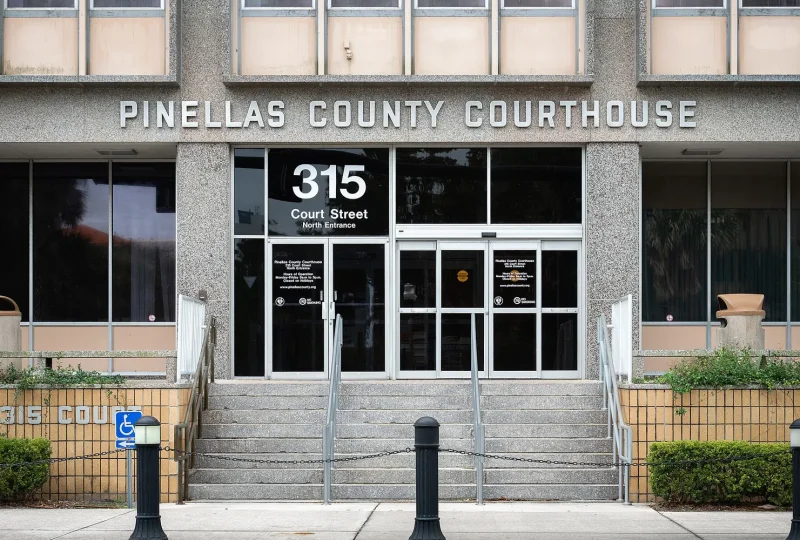
- Felonies are prosecuted in circuit court. In Pinellas County that is the Sixth Judicial Circuit.
- A scoresheet assigns points for the offense, prior record, and other factors, and produces the lowest sentence the judge may ordinarily impose.
- Some laws require minimum prison terms, including those for certain firearm offenses, drug trafficking, and repeat offenders.
- A felony conviction affects voting, firearm possession, jury service, and eligibility to seal a record.
What makes a crime a felony
Section 775.08, Florida Statutes, defines a felony as any criminal offense punishable under Florida law by death or imprisonment in a state penitentiary. A misdemeanor is an offense punishable by a term in a county jail of not more than one year. The statute that creates each crime states its degree.
Felony degrees and maximum penalties
The general maximums are set by section 775.082, Florida Statutes and section 775.083, Florida Statutes.
| Degree | Maximum prison term | Maximum fine | Example |
|---|---|---|---|
| Third degree | 5 years | $5,000 | Grand theft of property worth $750 or more but less than $20,000 |
| Second degree | 15 years | $10,000 | Aggravated battery |
| First degree | 30 years, or life when the statute provides for it | $10,000 | Grand theft of property worth $100,000 or more |
| Life felony | Life, or a term of years up to life | $15,000 | — |
| Capital felony | Death, or life without parole | — | First-degree murder |
The same information for misdemeanors is in our Florida offense level reference, and the comparison tables set misdemeanors and felonies side by side.
How felony sentencing works
Most felony sentences are governed by the Criminal Punishment Code. Under section 921.0024, Florida Statutes, a scoresheet is prepared that assigns points for:
- the primary offense, according to its severity level;
- any additional offenses being sentenced at the same time;
- victim injury;
- the defendant’s prior record; and
- other factors listed in the statute, such as a violation of probation.
The total produces the lowest permissible sentence. When the total is more than 44 points, the lowest permissible sentence is a state prison term calculated from the points. At 44 points or fewer, the judge may impose a sentence that does not involve state prison. The judge can sentence anywhere from the lowest permissible sentence up to the statutory maximum, and can go below it only on grounds the law recognizes.
Laws that raise the minimum or the maximum
Several statutes can change the range. These are the ones people most often ask about.
Firearm offenses (“10-20-Life”)
For felonies listed in section 775.087, Florida Statutes, a person who actually possessed a firearm during the offense faces a minimum of 10 years. If the firearm was discharged the minimum is 20 years, and if the discharge caused death or great bodily harm it is 25 years to life. A three-year minimum applies to possession of a firearm by a convicted felon and to burglary of a conveyance.
Drug trafficking
Under section 893.135, Florida Statutes, possessing or selling more than a threshold quantity of a drug is trafficking, a first-degree felony with mandatory minimum prison terms and fines that rise with the quantity. The thresholds include more than 25 pounds of cannabis, 28 grams of cocaine, 7 grams of oxycodone, 28 grams of hydrocodone, 14 grams of methamphetamine, and 4 grams of fentanyl, heroin, or morphine. Possession below those amounts is charged under section 893.13, Florida Statutes.
Repeat offenders
- Habitual felony offender. Under section 775.084, Florida Statutes, a court may impose an extended term on a qualifying defendant with two or more prior felonies: up to 10 years for a third-degree felony, up to 30 years for a second-degree felony, and life for a first-degree or life felony.
- Prison releasee reoffender. Under section 775.082, Florida Statutes, a person who commits a listed offense within three years of release from prison must receive the statutory maximum (5, 15, or 30 years, or life) and serve all of it.
How a felony case moves through court
Felonies are filed in circuit court. The State Attorney files an information, except in capital cases, which require a grand jury indictment. Trials are before a six-member jury, or twelve in a capital case. Because the sentencing exposure is higher, discovery and pretrial litigation usually take longer than in a misdemeanor case. Our guide to the Florida criminal court process explains each stage.
Withholding adjudication in a felony case
A judge who places a defendant on probation can sometimes withhold adjudication of guilt. Section 775.08435, Florida Statutes, limits this in felony cases: a withhold is not available for capital, life, or first-degree felonies, and it is restricted for second- and third-degree felonies.
Consequences beyond the sentence
- Voting. Under Article VI, section 4 of the Florida Constitution, a felony conviction suspends the right to vote until all terms of the sentence, including parole or probation, are completed. For murder and felony sexual offenses, voting rights are restored only through clemency.
- Firearms. Section 790.23, Florida Statutes, makes it a crime for a person convicted of a felony to possess a firearm or ammunition.
- Jury service. A person convicted of a felony is disqualified from jury service unless their civil rights have been restored (section 40.013, Florida Statutes).
- Records. A person who has been adjudicated guilty of a crime in Florida generally cannot have a record sealed or expunged by court order.
- Other effects. A conviction can affect professional licenses, employment, housing, and, for people who are not U.S. citizens, immigration status.
Common questions
Can a felony be reduced to a misdemeanor?
A prosecutor can amend a charge to a lesser offense, and a diversion program can end a case without a conviction, but both depend on the offense, the evidence, and the prosecutor’s decision.
What is the lowest level of felony in Florida?
A third-degree felony, with a maximum of five years in prison and a $5,000 fine.
Does a felony charge always mean prison?
No. Whether a prison sentence is required depends on the scoresheet total and on whether a mandatory minimum applies. Many third-degree felony cases end in probation.
When to speak with an attorney
Felony cases carry the possibility of prison and lasting consequences, and the scoresheet, enhancements, and mandatory minimums are technical. A licensed Florida criminal defense attorney can calculate the real sentencing range in a case. A person who cannot afford a lawyer can ask the court to appoint the public defender. See how to prepare for an attorney consultation.
Official resources and sources
- Section 775.08, Florida Statutes — classes and definitions of offenses
- Section 775.082, Florida Statutes — penalties; prison releasee reoffenders
- Section 775.083, Florida Statutes — fines
- Section 775.084, Florida Statutes — habitual felony offenders
- Section 775.087, Florida Statutes — firearm minimum terms
- Section 921.0024, Florida Statutes — Criminal Punishment Code worksheet
- Section 893.135, Florida Statutes — trafficking
- Section 775.08435, Florida Statutes — limits on withholding adjudication