On this page
Quick answer
Criminal court records in Pinellas County are kept by the Clerk of the Circuit Court. The Clerk runs an online court records search where a case can be found by name or by case number. It shows the court’s file for a case: the charges filed, hearing dates, and the documents and orders in it. It does not show who is in jail, and it is not a statewide criminal history.
Key takeaways
- Court case records: the Clerk of the Circuit Court.
- Who is in custody: the Sheriff’s Office.
- A statewide criminal history: the Florida Department of Law Enforcement.
- Sealed and expunged records are not available to the public.
- An arrest does not always become a court case, and an online record is not a certified copy.
The Clerk’s online search
The Clerk’s court records search lets the public search by name or by case number. According to the Clerk, most information and documents on the site can be viewed without registering, and a search returns only the first 500 results, so a common name needs to be narrowed. The Clerk also notes that online results are incomplete for some case types, such as juvenile cases.
The Clerk’s site is the authority on how its search works and what it charges for copies. Use the instructions there.
What a case record shows
- The charges that were filed. These can differ from the charges listed at arrest, because the State Attorney decides the formal charge.
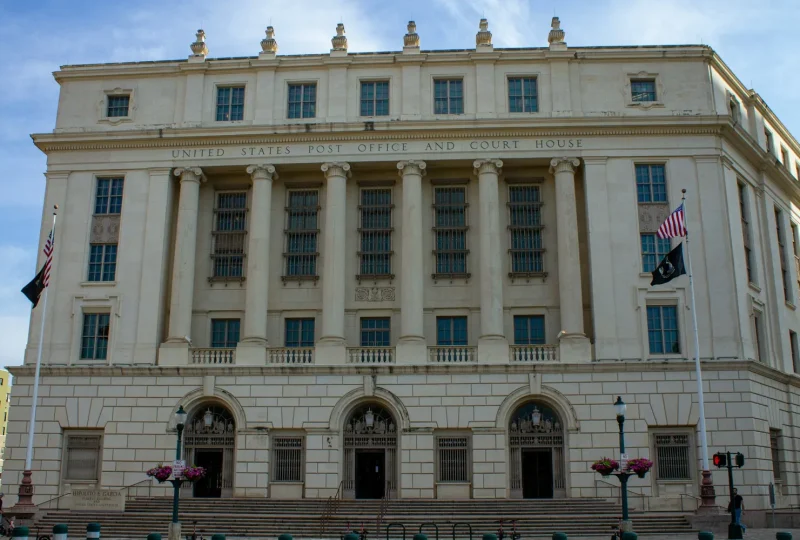
- The court and the judge. Misdemeanors are in county court and felonies in circuit court. Both sit at the Pinellas County Justice Center in Clearwater.
- Hearing dates and what happened at each one.
- Documents and orders, including any warrant, bond, plea, and sentence.
- The disposition: how each charge ended.
What it does not show
- Custody. Whether a person is in jail is on the Sheriff’s inquiry. See how to find someone in the Pinellas County Jail.
- Cases in other counties. Each county’s clerk keeps its own records.
- Sealed or expunged records. Florida law makes a sealed record inaccessible to anyone without a legal right to see it. See sealing or expunging a Florida criminal record.
- A statewide history. The Florida Department of Law Enforcement keeps the state’s criminal history records.
Certified copies
A printout from a website is not a certified copy. A certified copy of a disposition, which is needed for a sealing or expunction application, comes from the Clerk. The Clerk’s criminal court records office is at the Pinellas County Justice Center, 14250 49th Street North in Clearwater.
Common questions
I was arrested but cannot find a case. Why?
The State Attorney may not have filed a charge yet, or may have declined to file one. See can criminal charges be dropped in Florida?
Is my court date on the Clerk’s site?
Hearing dates appear in the case record. Rely on the notice you were given or sent, and confirm with the Clerk if they differ.
Can anyone see my case?
Court records are generally open to the public unless a law or a court order makes them confidential.
When to speak with an attorney
A case record lists events but does not explain what they mean for a person’s options. A licensed Florida attorney can read the file and explain it. More guides are on the Pinellas County topic page.
Official resources and sources
- Court Records Search — Pinellas County Clerk of the Circuit Court
- Pinellas County Clerk of the Circuit Court — criminal court, forms, and certified copies
- Pinellas County Justice Center — Sixth Judicial Circuit
- Florida Department of Law Enforcement — statewide criminal history; sealing and expunction
- Section 943.045, Florida Statutes — definition of a sealed record